
The mind behind the bet understanding the psychology of gambling
Призрачный блеск азарта и олимп казино официальный сайт в стиле аниме
19/05/2026Непревзойденная алхимия удачи в олимп казино с переплетением возможностей
19/05/2026The mind behind the bet understanding the psychology of gambling
The mind behind the bet understanding the psychology of gambling
The Allure of Gambling
The fascination with gambling can be traced back to ancient civilizations, where games of chance were interwoven with social and cultural practices. Today, the allure remains potent, largely due to the thrill of unpredictability and the potential for monetary gain. Players often find themselves drawn to the adrenaline rush that accompanies betting, feeding a psychological need for excitement and escape from everyday life. This dynamic can lead to both casual enjoyment and compulsive behaviors, depending on individual circumstances. Many players are now exploring options such as a non verification casino to enhance their experience.
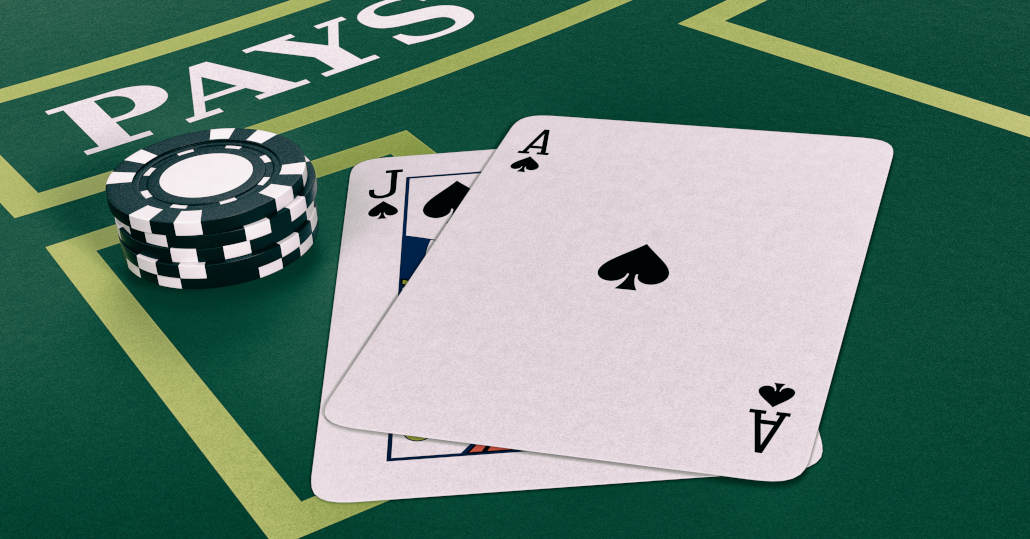
The psychology of gambling often intertwines with cognitive biases that affect decision-making. One of the most prominent is the “gambler’s fallacy,” where individuals mistakenly believe that past events can influence future outcomes. For instance, a player may think that a particular slot machine is “due” for a payout after a series of losses. This misconception can drive players to continue gambling, as they become convinced that they are on the brink of a big win. Understanding these biases is crucial for recognizing when gambling has shifted from a recreational activity to a potentially harmful behavior.
Moreover, the social aspect of gambling plays a significant role in its appeal. Whether in a bustling casino or an online gaming platform, the sense of community and shared experience can heighten excitement. Players often enjoy camaraderie with others, discussing strategies and celebrating wins together. This social interaction can reinforce gambling behavior, making it a more attractive pastime than solitary activities. The blend of social engagement and personal thrill can create a potent cocktail that keeps players returning for more.
The Role of Risk and Reward
The intrinsic relationship between risk and reward in gambling captivates the human psyche, making it both alluring and dangerous. Many individuals are drawn to risk-taking as a means of achieving rewards, a fundamental principle in behavioral psychology. In gambling, the promise of a significant payout often overshadows the likelihood of loss, compelling players to take risks they might avoid in other areas of life. This imbalance between risk and reward highlights the underlying motivations driving gambling behavior.
This relationship also taps into the brain’s reward system, where neurotransmitters like dopamine are released in response to wins. This chemical reaction reinforces the behavior, making players more likely to gamble again in the hopes of experiencing that euphoric rush. The intermittent reward schedule—where wins are unpredictable—further enhances this effect, creating an addictive cycle that can be challenging to break. Understanding this dynamic is essential for both players and those seeking to support them in managing their gambling habits.
In the realm of online versus offline gambling, this risk-reward psychology can manifest differently. Online platforms often provide instant gratification through rapid gameplay, leading to quicker highs and lows. In contrast, offline gambling experiences, such as traditional casinos, may involve longer wait times between bets, altering the perception of risk. Recognizing these differences can help individuals understand their gambling tendencies and potentially highlight when they may be more susceptible to excessive play.
The Psychological Triggers of Gambling Addiction
Gambling addiction can develop when individuals find themselves unable to control their gambling behaviors, often despite the negative consequences. Various psychological triggers contribute to this compulsive behavior, with emotional distress being one of the most significant. Many people turn to gambling as a coping mechanism, using it as a way to escape from stress, anxiety, or depression. This emotional reliance can create a vicious cycle where gambling temporarily alleviates pain but ultimately exacerbates it.
In addition to emotional triggers, environmental factors play a crucial role in gambling addiction. Locations filled with flashing lights and sounds are designed to entice and engage players, making it difficult to resist the urge to gamble. Online gambling has amplified this effect; the convenience of accessing games at any time can lead to compulsive behavior, especially among those predisposed to addiction. Awareness of these environmental triggers can empower individuals to make informed choices about their gambling habits.
Support systems, including therapy and support groups, can help individuals navigate the complexities of gambling addiction. Cognitive-behavioral therapy (CBT) is one effective approach that encourages individuals to identify and challenge negative thought patterns related to gambling. By addressing these cognitive distortions, individuals can regain control over their impulses, paving the way toward healthier coping mechanisms and lifestyle choices.
Online Gambling vs. Offline Gambling
As technology continues to evolve, the landscape of gambling has shifted dramatically, especially with the rise of online platforms. Online gambling offers convenience and accessibility, allowing players to engage in their favorite games from the comfort of their homes. This ease of access can lead to increased gambling frequency, as players can easily log in at any time, which may heighten the risk of developing problematic gambling behavior.
Conversely, offline gambling experiences in casinos involve more social interaction and a physical presence that can influence how people gamble. The atmosphere of a casino can create a different emotional and psychological experience, often leading to more significant social engagements. Players may feel the excitement more acutely when surrounded by others, resulting in different behavioral patterns compared to online gambling. Understanding these distinctions can provide insights into how players might approach gambling in various contexts.
Additionally, the mechanics of betting may vary between online and offline environments. In online gambling, players often encounter various promotional offers that can entice them to wager more than they might in a physical casino. The instantaneous nature of online games can create a more frenetic pace, which can sometimes blur the lines between casual play and excessive gambling. Recognizing these patterns can help players stay mindful of their gambling habits in different settings.
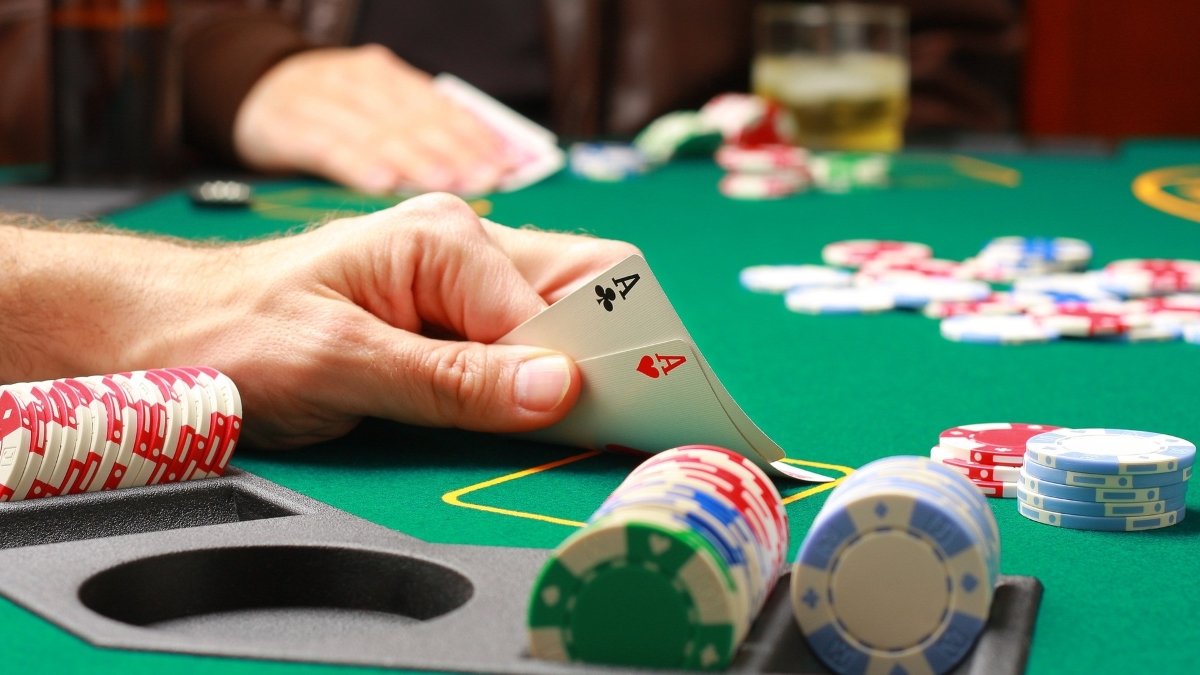
Explore Responsible Gambling with No KYC Casino
No KYC Casino offers a unique platform that caters to players seeking a seamless gaming experience while prioritizing privacy and responsible gambling. With a diverse selection of over 9,000 games, players can enjoy the thrill of gambling without the burdensome requirements of identity verification. This approach allows users to explore their gaming preferences while maintaining a focus on responsible behavior.
By providing lucrative bonuses and free spins, No KYC Casino encourages players to engage responsibly. Players can take advantage of attractive offers while ensuring that their gambling remains a source of entertainment rather than a source of stress. The platform’s commitment to fast withdrawal times further enhances the player experience, ensuring a smooth and enjoyable journey through the gaming world.
Understanding the psychology behind gambling is essential for fostering a healthy relationship with gaming, whether online or offline. No KYC Casino aims to create a space where players can enjoy their gaming experience in a responsible manner, emphasizing the importance of self-awareness and informed decision-making. By engaging with this platform, players can better navigate the complexities of gambling and maintain a balance that prioritizes enjoyment and control.
